


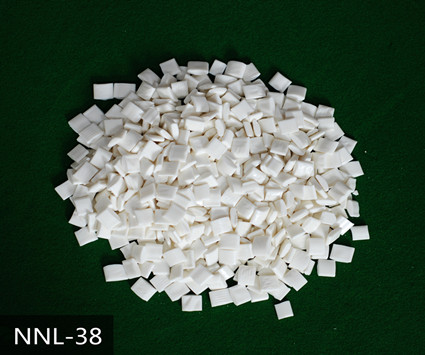
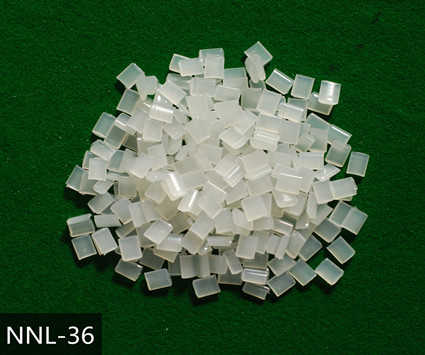
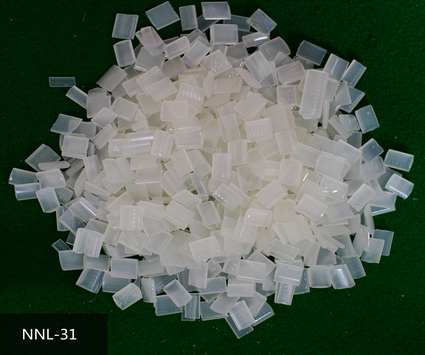
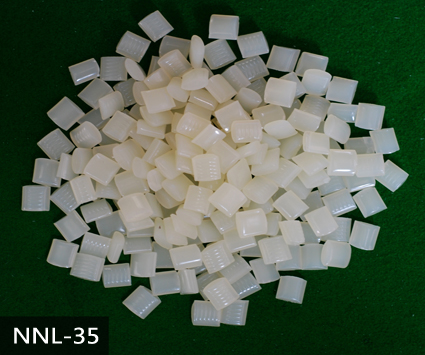
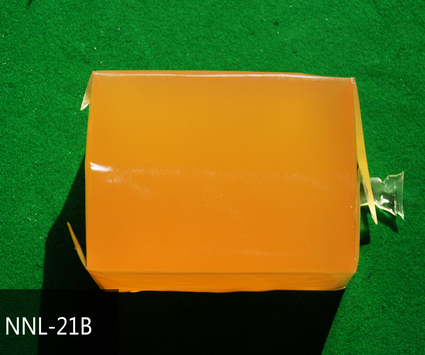

Reactive polyurethane hot melts are produced by converting a mixture of different (polyester-)polyols with a surplus of a polyisocyanate component. This results in isocyanate-terminated prepolymers with an NCO-content of typically 2 to 5%.
Reactive polyurethane hot melts combine the properties of regular or conventional hot melts with the advantages of chemically cross linking adhesives. Apart from an improved temperature and creep resistance they offer the following advantages:
(1)Solvent-free applications
(2)Moderate viscosity at application temperature
(3)Improved solvent and hydrolysis resistance
(4)Good adhesion to numerous substrates
(5)High initial bond strength
Reactive polyurethane hot melts combine the properties of regular or conventional hot melts with the advantages of chemically cross linking adhesives. Apart from an improved temperature and creep resistance they offer the following advantages:
(1)Solvent-free applications
(2)Moderate viscosity at application temperature
(3)Improved solvent and hydrolysis resistance
(4)Good adhesion to numerous substrates
(5)High initial bond strength