


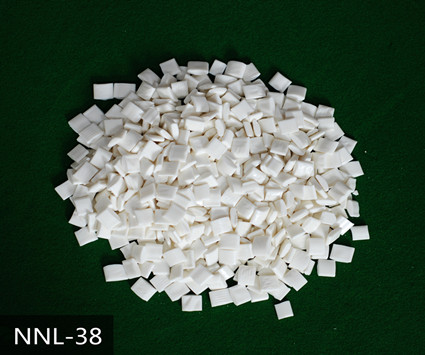
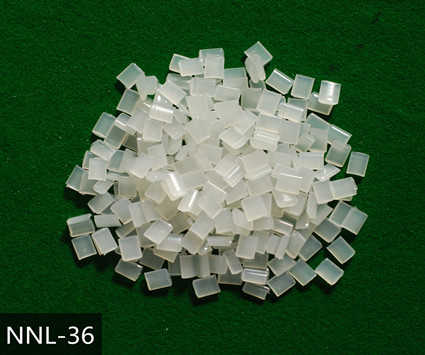
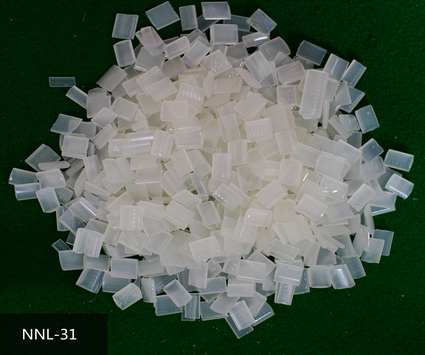
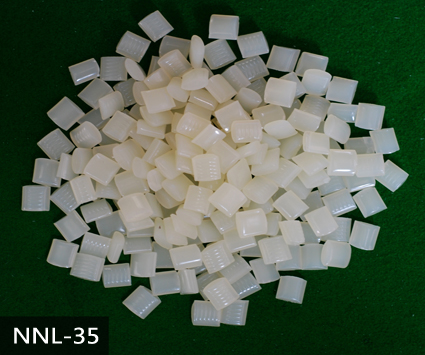
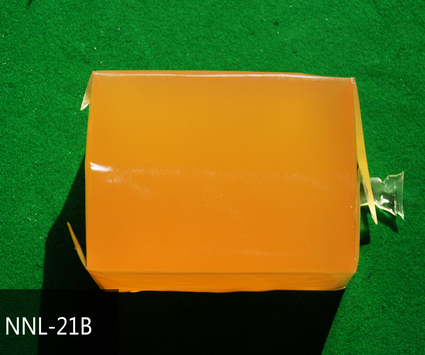

Edgebanding Hot-Melt Adhesive is a class dedicated to the man-made adhesive sheet edge, it is a solvent-free thermoplastic rubber. Hot melt adhesive is heated to a certain temperature, that is, from solid state into a molten state, when the coating to the plywood substrate or the sealing surface, the cooling becomes solid, the sealing material and the substrate bonding together. On the edge of the selection and use of hot melt adhesive, must pay attention to the following aspects:
1, The edge-based hot melt adhesive material
(1) EVA (ethylene - vinyl acetate copolymer resin)-based hot melt adhesive material, which can be divided into a hot melt adhesive filler and without filler categories. The use of EVA as a base material is the most common hot melt edge production technology, its major limitation is the poor heat resistance. EVA hot melt adhesive edge of the plate with the use of furniture, ambient temperature must not exceed 120 ° C;
(2) POL YAMIDE (polyamide) base adhesives, hot melt adhesive that has good heat resistance and fast curing characteristics, the main drawback is expensive.
(3) (PUR) hot melt adhesive material, it is the best performance of a class of hot melt adhesive, is a guarantee of high quality sheet metal edge. It is expensive, require special use.
2, The viscosity of hot melt adhesive sealing
Edge hot melt glue viscosity does not directly reflect the performance of good and bad. In general, the higher the viscosity of hot melt adhesive sealing, the initial adhesive strength, the better it is, but the coating performance worse. Low viscosity hot melt adhesive was smaller, and better wetting properties. Low viscosity, fast curing some of the hot melt adhesive, may also have a high initial adhesive strength. For the poor quality of the particleboard, edge the need to use a higher melt viscosity, it is because of the high viscosity of the melt flow is poor, unlike the low viscosity of the coating when hot melt as easily into the particleboard edge pores, so that hot melt adhesive applied to the full board edge.
3, The density of hot melt edge
Edge density of hot melt adhesive is generally 0.95-1.6g/cm 3, its density depends on the amount of filler (filler, the more the greater the density). As the plate edge, when the coating required to achieve a certain area, so no packing density of the hot melt adhesive per unit length is less than the amount of hot melt adhesive with filler. And because no filler hot melt adhesive properties better edge to achieve the same effect, without the use of hot melt adhesive filler filler than a hot melt adhesive is possible. To reduce the amount of glue, sealing machine must have a good coating system.
4, Edge softening point of hot melt adhesive and the use of temperature
Edge softening point is that the heat resistance of hot melt index, the higher the softening point, the more difficult to melt hot melt edge. At the same time softening point temperature is also measured the performance of furniture is an important aspect. In Europe, for the heat resistance of sheet edge detection method has a set of furniture made of heat-resistant standards. France, Germany and Italy have no large-scale production of low softening point of hot melt adhesive edge, but the domestic manufacturers (including Taiwanese companies) are still produced and available to the domestic market because the current domestic furniture manufacturers and consumers of furniture , in particular, the heat resistance of the kitchen furniture, not enough attention. EVA hot melt adhesive softening point range is generally between 90-135 ℃.
1, The edge-based hot melt adhesive material
(1) EVA (ethylene - vinyl acetate copolymer resin)-based hot melt adhesive material, which can be divided into a hot melt adhesive filler and without filler categories. The use of EVA as a base material is the most common hot melt edge production technology, its major limitation is the poor heat resistance. EVA hot melt adhesive edge of the plate with the use of furniture, ambient temperature must not exceed 120 ° C;
(2) POL YAMIDE (polyamide) base adhesives, hot melt adhesive that has good heat resistance and fast curing characteristics, the main drawback is expensive.
(3) (PUR) hot melt adhesive material, it is the best performance of a class of hot melt adhesive, is a guarantee of high quality sheet metal edge. It is expensive, require special use.
2, The viscosity of hot melt adhesive sealing
Edge hot melt glue viscosity does not directly reflect the performance of good and bad. In general, the higher the viscosity of hot melt adhesive sealing, the initial adhesive strength, the better it is, but the coating performance worse. Low viscosity hot melt adhesive was smaller, and better wetting properties. Low viscosity, fast curing some of the hot melt adhesive, may also have a high initial adhesive strength. For the poor quality of the particleboard, edge the need to use a higher melt viscosity, it is because of the high viscosity of the melt flow is poor, unlike the low viscosity of the coating when hot melt as easily into the particleboard edge pores, so that hot melt adhesive applied to the full board edge.
3, The density of hot melt edge
Edge density of hot melt adhesive is generally 0.95-1.6g/cm 3, its density depends on the amount of filler (filler, the more the greater the density). As the plate edge, when the coating required to achieve a certain area, so no packing density of the hot melt adhesive per unit length is less than the amount of hot melt adhesive with filler. And because no filler hot melt adhesive properties better edge to achieve the same effect, without the use of hot melt adhesive filler filler than a hot melt adhesive is possible. To reduce the amount of glue, sealing machine must have a good coating system.
4, Edge softening point of hot melt adhesive and the use of temperature
Edge softening point is that the heat resistance of hot melt index, the higher the softening point, the more difficult to melt hot melt edge. At the same time softening point temperature is also measured the performance of furniture is an important aspect. In Europe, for the heat resistance of sheet edge detection method has a set of furniture made of heat-resistant standards. France, Germany and Italy have no large-scale production of low softening point of hot melt adhesive edge, but the domestic manufacturers (including Taiwanese companies) are still produced and available to the domestic market because the current domestic furniture manufacturers and consumers of furniture , in particular, the heat resistance of the kitchen furniture, not enough attention. EVA hot melt adhesive softening point range is generally between 90-135 ℃.